
Is Your Condominium Pool Safe? A Practical Checklist for Managing Agents
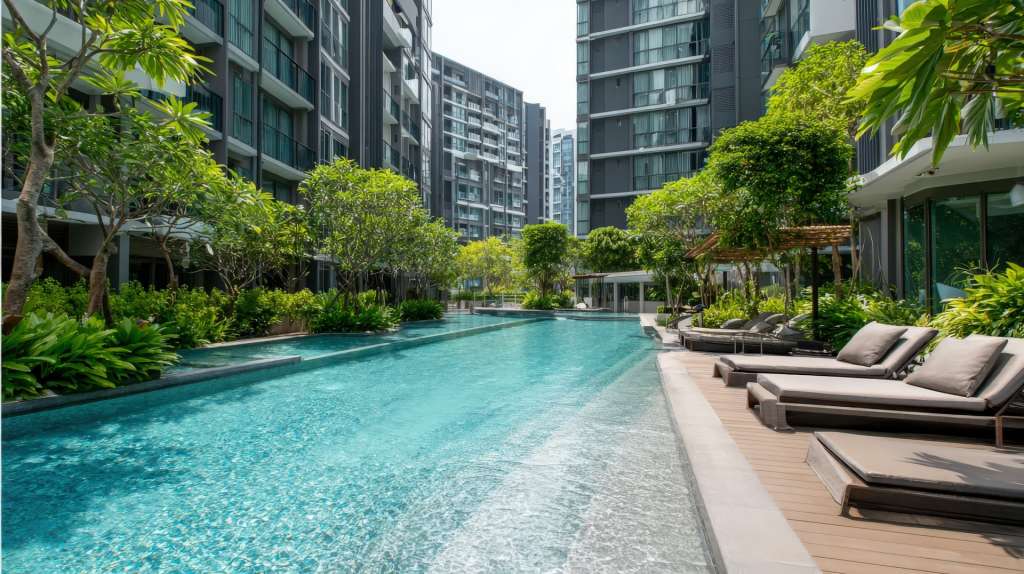
Residents usually judge a pool from the part they can see. Is the water clear? Are the tiles clean? Are the lights on at night?
Managing agents have a few more areas to think about. Water chemistry, drain covers, circulation, electrical behaviour and plant-room condition can all change the story even when the pool looks fine from the deck. A practical checklist helps organise those observations so routine site walks become more useful than a quick glance over the railing.
The aim is simple: know what normal looks like, notice what has changed and make sure defects do not disappear between contractor visits.
Condominium Pool Checks at a Glance
A quick visual walk is useful, but it works best when you know what you are trying to confirm.
|
Area |
What You Want to See |
|
Water |
Clear appearance and recent water-quality test results |
| Drains and fittings |
Secure, intact and undamaged |
|
Tiles and grout |
No loose, sharp or badly deteriorated areas |
| Pool deck |
Clear access and no obvious surface hazards |
|
Pumps |
Consistent operation, flow and sound |
|
Filters |
Pressure behaving within the normal operating pattern |
| Pipes and valves |
No unexplained leaks or damaged fittings |
|
Pool lights |
Stable operation without repeated failures or trips |
|
Plant room |
Dry, accessible and free from obvious equipment leaks |
|
Records |
Actual readings, findings, photos and follow-up actions |
NEA regulates water quality at licensable aquatic facilities in Singapore and requires licensees to comply with applicable testing and cleanliness requirements.
The checklist should therefore sit alongside formal water testing and technical servicing instead of replacing them.
Start With the Water But Do Not Stop There
Water appearance is the obvious first check because residents notice it immediately. Stand where you can see across the pool and down towards the floor. Cloudiness, unusual colour, visible algae or floating debris should prompt attention before the pool carries on as usual.
Then look at the actual water-test record. A pool can appear clear while chemistry has moved outside its required parameters, so visual inspection and testing answer different questions. Review the recorded results against the pool’s required operating parameters and look for changes from previous readings.
If you regularly see notes such as “water okay” without recorded readings, ask for more useful documentation. A number gives you something to compare next week. “Okay” does not.
Safety implication: Water can look clear while chemistry is outside the required range, so appearance alone cannot confirm that the pool is safe to use.
Check the Fittings Swimmers Come Into Contact With
Once the water has been covered, look at the hardware around and inside the pool.
Drain covers, grilles, ladders and handrails should remain secure and intact. A loose handrail may be obvious during use, while a damaged underwater fitting can be much easier to miss from the deck.
Pay particular attention to steps and shallow areas, where swimmers are standing, sitting and pushing off more often. These are also good places to inspect the surrounding tile finish because physical wear tends to become noticeable where people interact with the pool most.
Safety implication: Loose handrails, damaged grilles or unsecured fittings can create direct physical hazards, especially in shallow areas commonly used by children and families.
Tiles and Grout Can Move From Cosmetic to Practical
One cracked grout line does not automatically make a pool unsafe. Sharp tile edges, loose pieces or wider deterioration are a different matter.
Look for areas that have been repaired previously, especially if the same problem keeps returning. For example, a patch of grout appearing on several maintenance reports may indicate movement or loose tiles underneath.
This is where photographs help. Comparing the same area over time is far more reliable than trying to remember whether a crack was smaller three months ago.
The pool deck deserves a similar check for damaged finishes, standing water or anything creating an obvious trip or access issue.
Safety implication: Loose tiles, sharp edges and badly deteriorated grout can turn a cosmetic defect into a cut, trip or contact hazard for swimmers.
Listen to the Circulation System
From the swimming area, the inspection naturally moves into the plant room because water safety depends on the equipment behind it.
A circulation pump should have a reasonably consistent operating sound. New grinding, rattling or harsh noises deserve attention, especially if they appear alongside weaker flow or leakage.
Check filter pressure too. The reading can provide useful clues about how the circulation system is performing. A gradual increase may occur as the filter collects debris, while a sudden or unusual change can point to restricted flow, an airlock, a valve position issue or another circulation problem. Record the reading during routine checks so unusual changes can be identified and investigated rather than treated as an isolated number.
The exact trigger depends on the installed equipment, but the principle is useful: know the normal reading so a change means something.
Safety implication: Poor circulation can affect filtration and water quality before there is an obvious change in how the pool looks.
Look for Leaks Before They Become Puddles
Visible pipes, pump connections, filter fittings and valves give you another set of clues.
An active drip is easy to report. Slow leaks may leave staining, mineral deposits or persistent dampness instead. These are worth photographing because the area might be dry when the contractor eventually arrives.
Valve operation matters as well. A handle can turn while the internal valve no longer closes properly, something that may only become obvious when technicians try to isolate equipment.
Finding that during routine maintenance is much easier than discovering it when the pump urgently needs repair.
Safety implication: Leaks around pumps, pipework or plant-room equipment can create slip hazards and may also affect the reliability of the circulation system.
Pool Lighting Problems Deserve More Than a Bulb Change
A failed underwater light may come down to a simple component fault. Repeated flickering, multiple failures or electrical protection that keeps tripping deserves a wider assessment.
The useful thing for a managing agent is to record exactly what happened. Which lights were affected? Did the issue begin after heavy rain or a power interruption? Did the circuit trip once or several times?
Do not ask general maintenance staff to open or troubleshoot live electrical equipment unless they are appropriately qualified. Your role is to recognise the change and make sure it reaches the right technical person.
Safety implication: Repeated lighting faults or electrical trips around a swimming pool should be treated as a potential electrical safety issue, not just a maintenance inconvenience.
Finish With the Maintenance Records
The final part of the checklist is not beside the pool at all.
A useful maintenance report should show what was tested, what readings were taken, what equipment was inspected and what defects need follow-up. Photos add context, and they are especially helpful for assessing leaks, grout deterioration and equipment condition.
Over time, those reports become more valuable than any single visit. They let you see whether filter pressure is changing, whether a pump has required several repairs or whether one section of tiles keeps failing.
That history turns routine maintenance into preventive maintenance.
Safety implication: A defect is not fully managed until there is a clear record showing that it was investigated, followed up and resolved.
Add Extra Checks When Something Unusual Happens
A normal schedule works for normal operating weeks. Certain events justify another look:
- Heavy rain or thunderstorms
- Unusually high bather loads
- Power outages
- Reports of contamination
- Sudden water loss
- Chemical dosing problems
- Renovation work near pool services
The aim is not to close the pool after every unusual event, but to recognise that conditions may have changed since the last routine check and confirm whether anything needs attention.
Know What Normal Looks Like
Regular checks give you something more useful than a completed checklist. They teach you how the pool looks, sounds and behaves when everything is working properly.
That makes the first unusual reading, loose fitting or strange pump noise much harder to miss. Familiarity can be surprisingly useful maintenance equipment.
Hydrology helps managing agents and MCSTs assess the areas that routine site walks may not fully explain, from water treatment and filtration to pumps, valves, pipework and pool electrical systems. Our technical inspections and photo-based reporting give you clear evidence of what was checked, what was found and which items need follow-up.
If you want a clearer picture of your condominium pool’s condition, engage Hydrology for a technical inspection or maintenance review. We can help you turn routine checks into a more useful preventive maintenance programme.