
Salt in, chlorine produced
Pool water containing dissolved salt is circulated through the chlorinator cell.
Hydrology keeps salt chlorination systems running at full performance. We install, service and repair chlorinators, cells, controls and related components. Every system is thoroughly checked for proper flow, power and chlorine output.
What we cover
Common signs
A drop in chlorine does not always mean more salt needs to be added. Problems can occur in the pool, in the electrical equipment or within the chlorinator itself.
Changes in pH levels, salt concentration and circulation can all affect how well the system performs.
HOW SALT CHLORINATION WORKS
A saltwater pool still uses chlorine to sanitise the water. The difference is the way that chlorine is produced.
A salt chlorinator uses dissolved sodium chloride in swimming pool water. As water passes through the cell, an electrical process converts chloride into chlorine compounds that form hypochlorous acid, the active sanitising form of chlorine in a pool.
The process is commonly referred to as salt chlorination or electrolysis.
Pool water containing dissolved salt is circulated through the chlorinator cell.
The chlorine generator produces sanitising chlorine as water passes through the cell, reducing the need for routine manual dosing with chlorine tablets.
The treated water returns to the pool, helping maintain an appropriate level of chlorine throughout normal circulation.
Our work
Frequently asked questions
A saltwater system still sanitises with chlorine. Instead of relying mainly on manual chemical dosing, a salt chlorinator generates chlorine from dissolved salt as water passes through the system.
Yes. Saltwater pools contain chlorine. The chlorinator continuously generates the chlorine needed for normal sanitation instead of eliminating chlorine altogether.
A properly maintained system may have less of the strong chlorine smell often associated with poorly balanced pool water, but odour can also be affected by water chemistry, contaminants and combined chlorine.
Some swimmers find saltwater systems more comfortable, but eye irritation can still occur if water chemistry is not properly balanced. Correct chlorine and pH remain important for water quality.
The correct concentration depends on the chlorinator manufacturer and system. The amount of salt to add should not be estimated from pool size alone. The existing salt level and equipment requirements need to be checked first.
Cell life varies with usage, water chemistry, operating hours, cleaning practices and system conditions. A worn cell can be replaced without necessarily replacing the entire chlorinator.
Low salt, poor circulation, cell build-up, incorrect settings or worn components can reduce chlorine output. We check the full system, identify the fault and replace equipment only when needed.
Yes, where a compatible replacement is available and the rest of the system is operating correctly. If the chlorinator itself is ageing or faulty, complete replacement may offer better long-term value.
Yes. A salt system automates part of chlorine production, but the water still needs regular testing and balancing. Chlorine, pH and other water parameters remain important.
There may be situations where shock chlorination is required as part of corrective water treatment, depending on water condition and operational requirements. The cause of the problem should be established before additional chemicals are added.
Yes, these terms are often used for the same type of salt system. You may also see terms such as salt chlorine generator, chlorinator or saltwater chlorination system used across different product or service descriptions.
The electrochemical process occurs within the cell and produces chlorine species used to sanitise the water. A correctly installed swimming pool system does not require the storage or manual handling of chlorine gas cylinders.
Related services
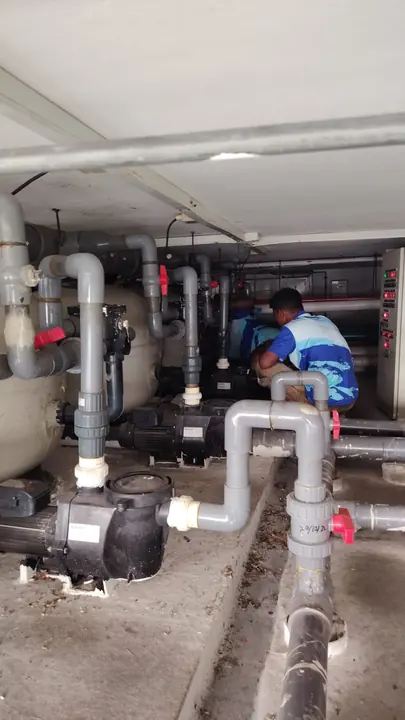
Troubleshooting and repair for pump faults and circulation issues.
Read more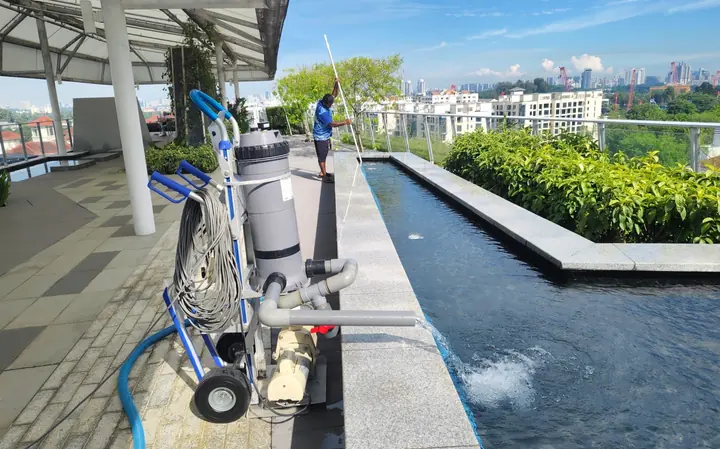
Routine cleaning and upkeep to keep the pool clear and ready for use.
Read more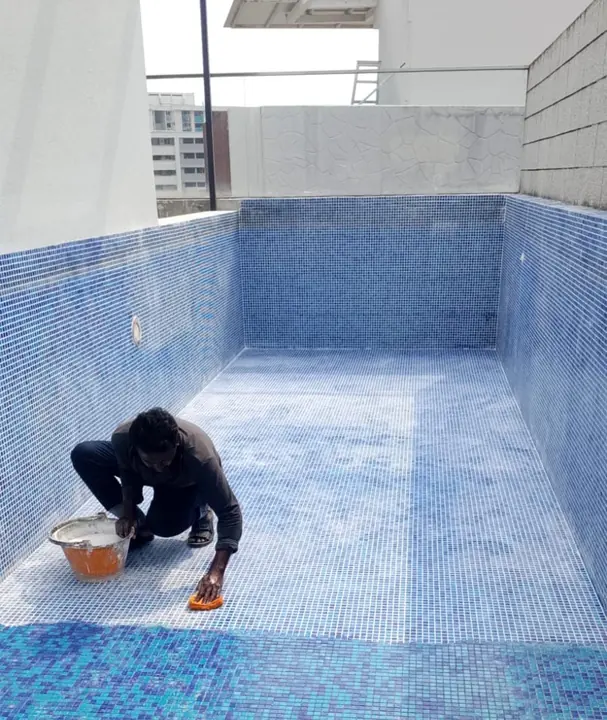
Investigation and repair where unexplained water loss is occurring.
Read moreWhether you are dealing with low chlorine, a faulty cell or an ageing chlorinator, tell us what is happening with the system and we will advise on the next step.