
Can You Swim After Adding Pool Chemicals? A Timing Guide by Treatment Type
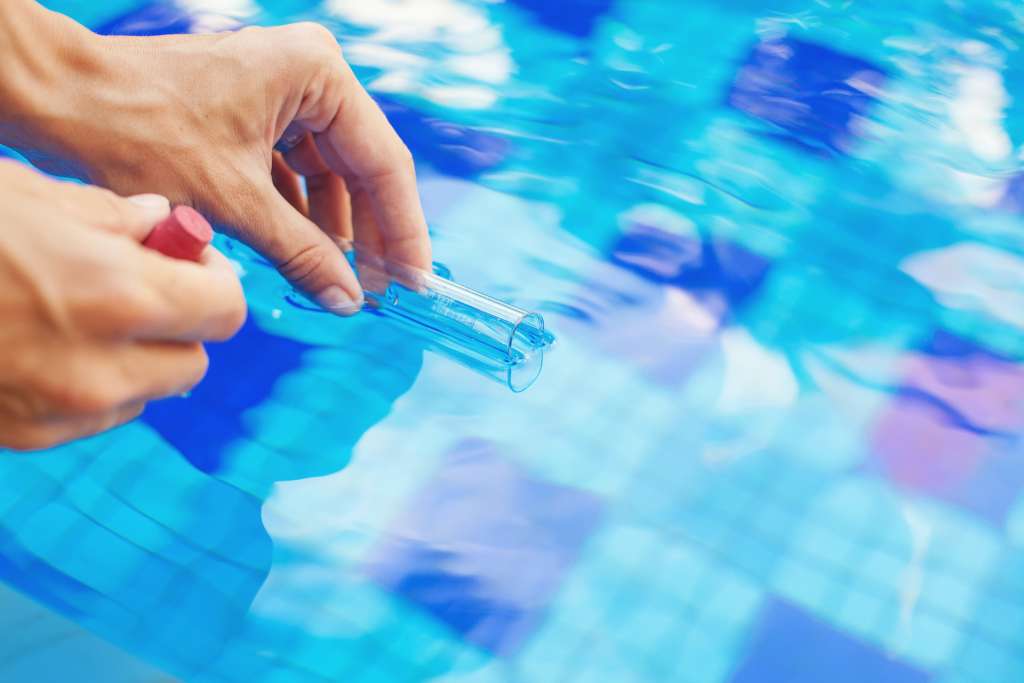
You have added the chemicals, the pump is running, and now comes the obvious question: when can people get back in the pool?
The answer depends on what you added and why. A routine chlorine dose may only need a short wait, while shock treatment can keep the pool closed for several hours. pH adjustments, algaecides and other treatments also need enough time to move through the water.
The safest routine is straightforward. Let the treatment circulate, follow the product instructions, then test the water before reopening. The clock gives you a guide, while the water readings give you the answer.
Pool Chemical Waiting Times at a Glance
Before looking at each treatment in more detail, it helps to see the usual approach side by side.
| Treatment | General Waiting Guide | What to Check Before Reopening |
| Routine chlorine addition | Allow the chlorine to circulate, often around 30 to 60 minutes for a normal dose | Chlorine and pH readings are within the required range |
| Shock treatment | Often several hours or overnight | Chlorine has returned to the normal operating range |
| pH increaser or reducer | Allow around 30 to 60 minutes of circulation, subject to product instructions | pH has settled within the required range |
| Alkalinity adjustment | Allow the product to circulate fully before retesting | Alkalinity and pH are stable |
| Calcium hardness increaser | Follow the product instructions and allow full circulation | Product has dissolved and the water readings are stable |
| Algaecide or clarifier | Timing varies by product | Follow the label and confirm the pool is ready for use |
These times are useful for planning a closure, but they should not become automatic reopening times. The product label, the amount added and your water test should guide the final decision.
After a Routine Chlorine Addition
A normal chlorine top-up is usually one of the shorter treatments. Once the chlorine has been added, keep the circulation system running so it can spread through the pool.
For some routine products and doses, somewhere between 30 and 60 minutes may be enough before testing again. The exact time should still come from the chemical instructions because formulations and dosing methods differ.
Once that waiting period has passed, check the free chlorine and pH. This is important because two pools can respond differently to the same treatment. Pool volume, existing chlorine levels and recent bather load can all affect the final reading.
If the readings are where they should be, you have a clear basis for reopening.
A much higher chlorine dose, however, needs more patience.
After Shocking the Pool
Shock treatment raises the chlorine level well above its usual operating range. It may be used after algae, heavy contamination or when the pool needs a stronger corrective treatment.
Because the dose is higher, swimmers may need to stay out for longer. Some shock products call for several hours before swimming, and guidance for certain products puts the typical wait at around 8 to 24 hours, with swimmers returning only after chlorine has dropped to the stated range.
That is why it is better to focus on the chlorine reading than to count down to a set reopening time.
If shock treatment was carried out after a contamination incident, follow the required cleaning, filtration and testing procedure as well. A routine shock and a contamination response are not handled in exactly the same way.
Once chlorine has settled, pH is another common reason for keeping swimmers out temporarily.
After Adjusting pH
pH increasers and reducers need time to mix through the pool before you retest.
For a routine adjustment, around 30 to 60 minutes of circulation is a useful working guide where the product instructions support it. During that time, the pump helps move the chemical away from the dosing point and through the wider pool.
Afterwards, test the pH again.
This step matters because pH also affects chlorine performance. If the reading is still outside the required range, keep the pool closed and make the necessary correction before swimmers return.
The same basic process applies to alkalinity, although the adjustment may take longer to settle.
After Adjusting Alkalinity or Calcium Hardness
Alkalinity helps keep pH stable, so an adjustment should be given enough time to circulate before you take another reading. If you test too quickly, you may be checking water that has not yet mixed evenly.
Calcium hardness products also need proper circulation, especially when a granular product has been added. Make sure it has dissolved as instructed and check the water again before reopening.
There is another practical point here. Some pool chemicals should be separated rather than added one after another, and products should never be mixed directly together. Chemical manufacturers may also specify waiting periods between different treatments.
That makes the label especially important when you are correcting more than one reading during the same maintenance visit.
The same applies when dealing with algaecides and clarifiers, where instructions can vary even more between products.
After Adding Algaecide or Clarifier
There is no useful one-size-fits-all waiting time for algaecides and clarifiers.
Some algaecide products may allow swimming after a relatively short circulation period, provided chlorine is back within the product’s stated range. Other treatments need longer, particularly when they are being used alongside shock treatment.
Clarifiers also vary in how they are used. In many cases, the filtration system needs to keep running so the fine particles collected by the product can be removed from the water.
For both treatments, start with the label. Then follow the product’s circulation and filtration instructions and check the pool before reopening.
By this point, a pattern should be clear. The waiting time changes, but the process stays fairly consistent: dose, circulate, test, then reopen.
Reopen With a Clear Answer
Chemical treatment is easier to manage when the process stays consistent. Add the right dose, give it time to circulate, check the readings and reopen once the water is ready.
That routine also makes it easier to know when the pool is safe to reopen because your decision is based on something you can refer to.
“Probably safe by now” does not belong on a maintenance log. A confirmed reading does.
Hydrology helps pool owners and operators stay on top of water treatment and the equipment that supports it. Our team can carry out water testing, preventive maintenance and technical checks across the pool’s pumps, filtration and circulation system, with photo-based reporting that shows what was checked and what needs attention.
If chemical dosing, recurring water issues or unclear maintenance records are making pool management harder than it should be, engage Hydrology for an inspection or maintenance review. We can help you keep treatment properly monitored, identify equipment issues early and give you a clearer record of the work carried out.