
Leak detection and pressure testing
Targeted leak detection and pressure testing to help locate faults in accessible pool plumbing and circulation lines.
Our pool leak detection and repair service helps identify unexplained water loss before the right repair is carried out. We inspect your pool, circulation equipment, pipework and structure to determine where the problem is coming from.
What we cover
We investigate pool leaks across residential and commercial swimming pools, with the repair scope based on where the leak is found.
Targeted leak detection and pressure testing to help locate faults in accessible pool plumbing and circulation lines.
Repair or replacement of leaking joints, fittings and connections where deterioration is contributing to a leak.
Assessment and repair of visible cracks or defects in the pool shell where they may be contributing to water loss.
Investigation of pipe leaks, valve faults and accessible underground pipe issues, followed by the appropriate pipe repair where practical.
Targeted waterproofing where deterioration around the pool shell or tiled areas is contributing to leakage.
Once repairs are completed, we can monitor the pool water level to check that the water loss has stabilised.
Common signs
Some water loss is normal due to evaporation and use. A persistent or unexplained drop in water level, however, may point to a pool leak.
A leak can occur in the pool, around fittings, through plumbing or within the structure, so visible symptoms do not always show where the leak is.
What we check
A leak in a swimming pool can come from several places. We check the wider system before drawing conclusions about where the fault sits.
We look at how quickly the pool water level is dropping and whether the loss changes when the circulation system is on or off.
We inspect accessible areas of the pool structure, including visible cracks, joints, fittings and penetrations.
We check for plumbing leaks, leaking valves, pumps and other equipment leaks that may be contributing to water loss.
Where plumbing is suspected, pressure testing can help identify whether there is a fault in a return, suction or other circulation line.
We inspect fittings, lights, inlets and other penetrations where leaks in the surrounding seal or connection may occur.
We consider pool water level, visible symptoms and water chemistry where relevant, especially if repeated topping-up has changed normal operating conditions.
This helps narrow down whether the appropriate solution is structural repair, plumbing repair, waterproofing or further investigation.
HOW WE FIND THE LEAK
There is no single test that finds every leak in a pool. The method depends on what the inspection suggests.
A bucket test can help compare normal evaporation with actual pool water loss. A marked bucket is used as a simple reference while the pool level is monitored over the same period.
Dye testing can help confirm whether water is being drawn through a suspected crack, fitting or penetration when conditions allow.
For suspected plumbing faults, pressure testing can help determine whether water is escaping from a pipe circuit rather than the pool shell itself.
We also inspect pumps, valves, fittings and surrounding areas for signs of a water leak or other obvious faults.
Our work
Frequently asked questions
Some evaporation is normal, especially in warm conditions. If your pool is dropping faster than expected, the first step would be to compare the loss over time and look for other signs such as damp areas, equipment faults or repeated topping-up. A bucket test can also help indicate whether the loss is beyond normal evaporation.
A simple first step is to monitor the pool level and compare it with evaporation using a bucket test. Beyond that, how to find the exact source depends on whether the suspected fault is structural, plumbing-related or around a fitting.
Where an underground pipe is suspected, pressure testing and inspection can help determine whether a plumbing line is losing pressure. Further access may be needed before the exact repair scope can be confirmed.
Yes. A crack in the pool shell can contribute to water loss, although not every visible crack is actively leaking. Inspection and testing help determine whether it is relevant to the problem.
Yes, depending on the system and fault. A spa leak can occur around fittings, pipework, equipment or the spa structure, much like leaks in swimming pools.
We can assess related water features, fountains and spas where the issue falls within our leak detection and repair scope.
Not always. Some testing can be carried out with water in the pool, while certain repairs may require the level to be lowered. This depends on where the leak is and the type of work needed.
Where the required repair falls within our services, yes. This may include fitting replacement, waterproofing, structural repairs or plumbing-related repair work. If additional specialist works are required, we will explain the next step.
Even a relatively small leak can result in a lot of water being lost over time, especially if the pool is continually topped up without resolving the cause.
Repeated topping-up dilutes the water already in the pool, which can alter chemical balance and increase the amount of treatment required to maintain normal swimming pool water conditions.
No. Leak detection and repair are related but separate stages. Detection identifies the likely source; repair then addresses the confirmed fault where possible.
Some hidden leaks require more than one stage of investigation. If the initial inspection does not provide enough evidence, we explain what further testing may be required.
Related services
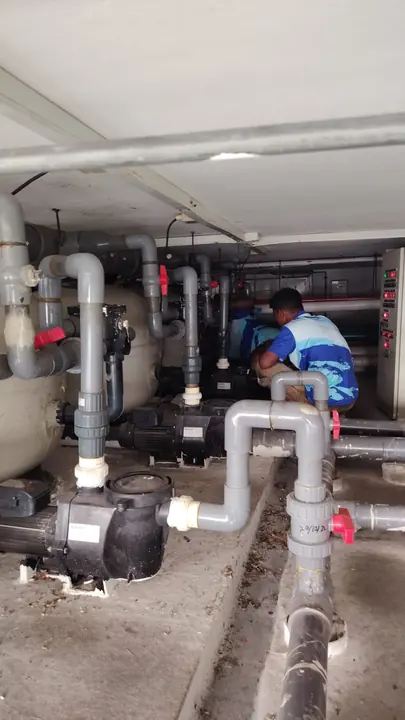
Troubleshooting and repair for pump faults, circulation issues and related plumbing concerns.
Read more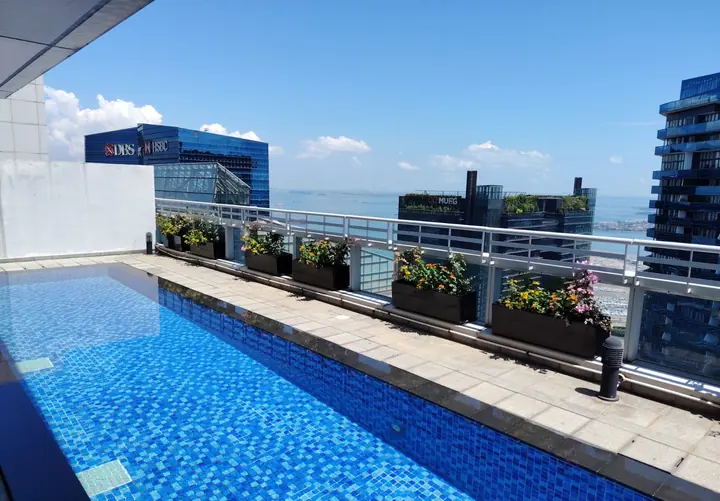
Repair and replacement of damaged tiles, grout and selected pool finishes.
Read more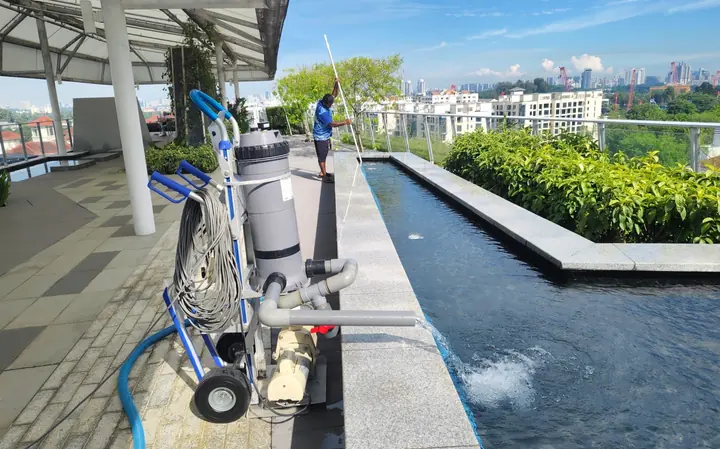
Routine cleaning and upkeep for residential and commercial pools.
Read moreIf you suspect a leak in your swimming pool, tell us what you have noticed, how quickly the level is dropping, whether the pump is running normally, and where you have seen any signs of water. We can advise on the next step.